561.452.0010 info@mhdmc.com
+1 561.452.0010
Group Home Licensing, Compliance

A group home is a living accommodation option for people with disabilities. Living in a group home may be a good option for those individuals who do not need advanced medical care but cannot safely live alone. The care in a group home setting allows residents to receive extra support in a community setting without sacrificing their independence.

The size of group homes varies, but generally they tend to be smaller than most long-term care facilities. They may offer shared spaces for residents, and bedrooms may be private or shared with a roommate.

These homes typically house 4–16 residents in a home-like setting, offering assistance with daily living activities (ADLs), medication management, and transportation, overseen by trained staff

mhdmc group home

Key Features and Functions of Group Homes

  • Targeted Care: They serve specific populations, including adults with intellectual or developmental disabilities, seniors, teenagers needing behavioral support, or individuals in addiction recovery.
  • 24/7 Support: Group homes provide trained caregivers around the clock to ensure safety and provide assistance.
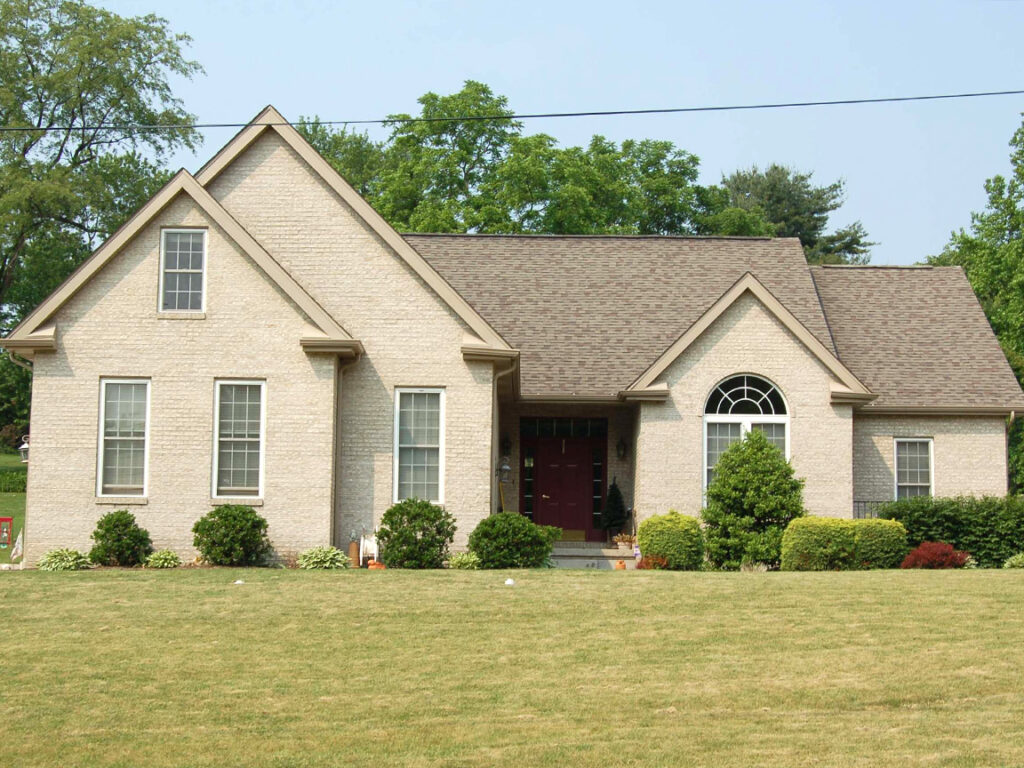
  • Residential Environment: They are structured to feel more like a home and less like an institution, often located within typical residential neighborhoods.
  • Staffed Support: Employees help with daily tasks, such as cooking, cleaning, medication management, and transportation.
  • Independence vs. Care: They fill a gap between living independently and nursing home care, allowing for maximum autonomy while ensuring safety. 

Types of Residents and Needs

  • Disabled Persons: Adults with developmental or intellectual disabilities, who often benefit from a structured, safe environment while participating in the community.
  • Children/Teens: Children removed from their homes or teens with behavioral/mental health challenges who require structured, supervised care.
  • Elderly Residents: Seniors (e.g., over 60) who may not require 24-hour medical nursing care but need assistance with daily living tasks.
  • Individuals in Recovery: Dedicated homes for people recovering from addiction or seeking supportive housing. 

Start Up

Other Services

  • State Registration 
  • Employer Identification Number
  • National Provider Identification
  • City Area Research
  • City Application
  • County application
  • Fire Department Application
  • Website
  • Your_Name@website.com
  • Virtual Phone Number
  • Virtual Fax Number
  • 500 Business Cards
  • 500 Brochures
  • Application (AHCA)

Cost of all of the above is approximately $19,500.00*
*Paid over a five month period ($10500 deposit, $1500 per month for six months)

  • Customized Policy and Procedure Manual $3500
  • Customized Forms $1500
  • Customized Folders $800
  • Comprehensive Emergency Management Plan (CEMP) $800
  • Plan of Corrections $700
  • Mock Inspection $2500
  • Insurance credentialing $Call 
  • Hourly Consultation available
mhdmc cost-of-business

Who Can A Group Home Serve?

Children. Children who are unable to safely remain in their homes and have been removed from their parent or guardian may be placed in a home with full time supervision. They are placed in the custody of the Department of Children and Families and are then placed in a group home if foster is not a viable fit.

Disabled persons. Persons with disabilities who are unable to care for themselves may also find support in a group home. These facilities can offer training and basic life skills for individuals with intellectual, developmental and behavioral disabilities. This experience can provide an opportunity for education and growth of social skills and basic life functions.

Elderly. Finding the right care for an aging family member can be a difficult decision to make. When there is an aging loved one with special medical needs in the family, it can take a toll on everyone. A group home is a great option for a more personalized care setting. In Florida, group homes offer medical care including transportation to health-related appointments. This setting also promotes socialization and a familiar cozy mood unlike the feel of a sterile nursing home. This can reduce the possibility of loneliness and depression.